Categories
Local Preschool & Services

Benefits of Aftercare Programs for Working Parents (and Their Children)
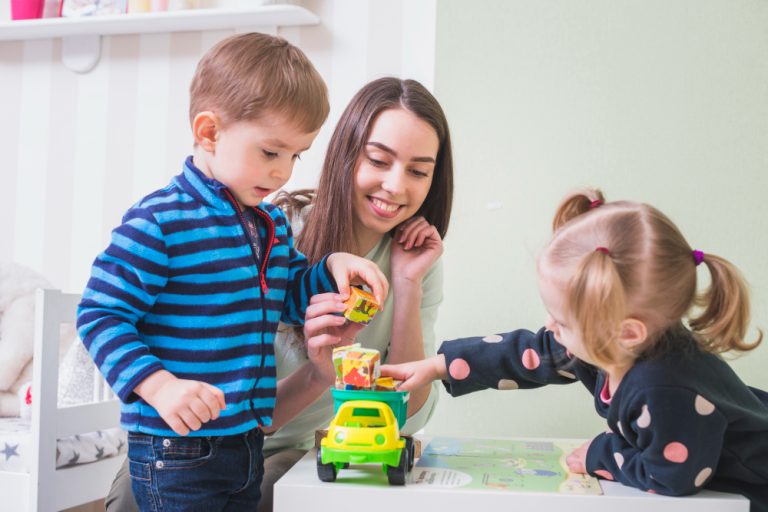
The preschool day ends at 3:00 PM. Your workday ends at 5:30 PM. That 2.5-hour gap is one of the most stressful logistical realities for working parents of preschool-age children in Deerfield Beach. Aftercare programs exist to bridge that gap — but the best ones do far more than just keep children occupied until parents arrive.

This guide explores the real benefits of quality preschool aftercare programs, both for working parents and for the children who participate in them.

What Is Preschool Aftercare?

Preschool aftercare is an extended supervision and enrichment program offered after the standard school day, typically running from 3:00 PM to 6:00 PM. At its worst, aftercare is simply an unsupervised waiting room with a screen. At its best — like the aftercare program at LSA Preschool — it’s a structured, nurturing continuation of the school day that provides enrichment activities, outdoor play, snack, rest time, and meaningful interaction with trusted caregivers.

Benefit 1: Scheduling Stability for Working Parents

The most immediate benefit is practical: aftercare gives working parents a reliable, consistent solution to the end-of-day childcare gap. This eliminates the anxiety of scrambling for last-minute pick-up arrangements, calling on favors from friends and family, or leaving work early and jeopardizing professional standing.

For single parents especially, reliable aftercare is not a luxury — it is a condition that makes preschool enrollment possible at all.

Reliable transportation to and from aftercare compounds this benefit significantly. Learn more in our post on why transportation services matter in preschool programs.

Benefit 2: Developmental Continuity

Children in aftercare remain in a familiar, structured environment with trusted caregivers rather than transitioning to an unfamiliar setting mid-day. This continuity reduces the number of transitions a young child must navigate — and transitions are one of the most challenging aspects of the preschool day for children ages 2–5.

We cover how transition management supports emotional development in our guide on reducing preschool separation anxiety. The same principles apply to mid-day transitions: fewer transitions mean less emotional load on young children.

Benefit 3: Enrichment and Continued Learning

Quality aftercare programs don’t warehouse children — they engage them. At LSA Preschool, our aftercare period includes structured enrichment activities: art projects, sensory play, outdoor free play, early literacy activities, and collaborative games. These activities reinforce the skills children are developing during the school day and keep them engaged, active, and stimulated rather than passive.

This extended engagement supports the social skills development that happens during the core school day. The afternoon hours are actually an ideal time for cooperative play, as children are comfortable in the environment and with their peers.

Benefit 4: Healthy Snack and Rest Time

A quality aftercare program includes a nutritious afternoon snack and, for younger children, a rest period. By 3:00 PM, most preschoolers have been active and learning for 5–6 hours. A structured rest or quiet activity period helps regulate their energy and mood — which makes the transition home in the evening much smoother for families.

Nutrition during the school day matters as much in the afternoon as it does at lunch. Our guide on healthy lunch ideas for preschoolers includes snack principles that apply to aftercare as well.

Benefit 5: Consistent Relationships With Trusted Adults

Aftercare children spend additional hours each day with teachers and staff they know and trust. This consistency in caregiver relationships is developmentally significant. Research on attachment theory shows that young children’s capacity to explore, learn, and engage with the world is directly supported by having reliable, responsive adult relationships available to them.

An aftercare setting with consistent, warm caregivers — rather than rotating babysitters or family members — provides this stability reliably.

Benefit 6: Parent Well-Being and Work Performance

This benefit is rarely mentioned in preschool marketing, but it’s real: parents who have reliable aftercare are less stressed, perform better at work, and report more positive evening interactions with their children. When parents don’t have to spend their workday managing childcare logistics, they’re fully present at work — and fully present at home in the evenings.

The quality of the parent-child relationship in the evening hours matters enormously for young children’s development. A parent who comes home exhausted from a stressful day of childcare logistics is less available for the kind of engaged, warm interaction that children need.

What to Look for in a Quality Aftercare Program

  • Structured activities — not just free screen time
  • Consistent, trained caregivers with low turnover
  • Appropriate staff-to-child ratios (same standards as the regular school day)
  • Nutritious afternoon snack included
  • Indoor and outdoor activity options
  • Clear communication with parents about how the afternoon went
  • Safe, licensed, and inspected by Florida DCF

These same standards apply when evaluating the full preschool program. Our comprehensive checklist of what to look for in a preschool in Deerfield Beach covers everything you need to evaluate.

LSA Preschool’s aftercare program runs Monday through Friday from 3:00 PM to 6:00 PM and is available to all enrolled students. Contact us to add aftercare to your child’s enrollment.

Ready to Give Your Child the Best Start?

At LSA Preschool in Deerfield Beach, FL, we are dedicated to nurturing every child’s growth through a loving, stimulating environment. Whether you’re exploring enrollment options or ready to visit our campus, we’d love to meet your family.

Schedule a Tour at LSA Preschool — Let’s find the perfect program for your child.

Explore all our preschool programs and services to find the right fit.

Categories
Local Preschool & Services

Full-Day vs. Half-Day Preschool: What’s Right for Your Child?

When enrolling in preschool, one of the first decisions families face is program length: full day or half day? It’s not a trivial choice. The right answer depends on your child’s age and temperament, your family’s schedule, your budget, and your goals for your child’s development. This guide walks you through both options clearly so you can choose with confidence.

What Is a Half-Day Preschool Program?

Half-day programs typically run 3–4 hours, either in the morning (7:30–11:30 AM) or afternoon (12:00–3:00 PM). They’re structured to cover core learning activities — circle time, structured play, literacy and numeracy activities, and outdoor time — within a shorter window. Half-day programs are often the starting point for younger children (2–3 years old) who are not yet ready for a full school day.

What Is a Full-Day Preschool Program?

Full-day programs typically run 6–8 hours, mirroring the school day structure of elementary school. In addition to the activities covered in half-day programs, full-day programs include lunch, a rest or nap period, and extended afternoon learning and enrichment activities. Full-day programs are generally recommended for children age 3.5 and above, and they align with most working parents’ schedules.

What Does Research Say?

A study published in Early Childhood Research Quarterly found that children who attended full-day preschool programs showed greater gains in reading and mathematics skills, better attendance in kindergarten, and stronger social skills than half-day peers — when the full-day program was high quality. The keyword is quality. A mediocre full-day program can produce worse outcomes than a high-quality half-day program.

Quality indicators for any program are covered in detail in our guide on what to look for in a preschool in Deerfield Beach.

Arguments for Half-Day Programs

Better Fit for Younger or Sensitive Children

Children aged 2–3 may become overstimulated, fatigued, and emotionally dysregulated in a full-day environment. For these children, a half-day program that respects their developmental capacity for sustained engagement can be more beneficial than pushing a longer day.

More Time at Home for Parental Bonding

Half-day programs leave significant time for home-based learning, play, and parent-child bonding — all of which are developmentally valuable, especially for children under 3.

Lower Cost

Half-day programs are generally less expensive than full-day, which matters for families managing childcare budgets.

If a half-day program doesn’t fully cover your work schedule, aftercare can bridge the gap. Read about the benefits of preschool aftercare for working parents.

Arguments for Full-Day Programs

Better Alignment With Working Parent Schedules

The most practical reality: most working parents cannot use a 3-hour program. A full-day program solves the childcare gap for families where both parents work full-time or a single parent works full-time.

More Time for Developmental Programming

A full-day program has time for more in-depth project-based learning, more outdoor play, dedicated rest periods, lunch routines that build self-care independence, and extended social interaction that half-day programs simply can’t fit.

Stronger School Readiness

Children who attend full-day programs are typically more prepared for the demands of kindergarten — in terms of schedule, stamina, and academic readiness. See our checklist of skills a 3-year-old should develop before kindergarten to understand the scope of kindergarten readiness goals.

How to Decide: Key Questions to Ask

  • How old is my child, and what is their energy and emotional regulation capacity?
  • Does my work schedule require full-day care?
  • What does my budget allow?
  • Is the full-day program high quality, or does it become a ‘holding pattern’ after noon?
  • Does my child have prior group care experience, or is this their first structured environment?

If your child is 2–3 years old with no prior group care experience and you have schedule flexibility, start with half-day. If your child is 3.5–5, you work full-time, or your child has been in group care before and handles it well, a full-day program is likely the better fit.

LSA Preschool offers both half-day and full-day programs in Deerfield Beach, including VPK. Contact us to discuss which option is the right fit for your family.

Ready to Give Your Child the Best Start?

At LSA Preschool in Deerfield Beach, FL, we are dedicated to nurturing every child’s growth through a loving, stimulating environment. Whether you’re exploring enrollment options or ready to visit our campus, we’d love to meet your family.

Schedule a Tour at LSA Preschool — Let’s find the perfect program for your child.

Explore all our preschool programs and services to find the right fit.

Categories
Local Preschool & Services

Why Transportation Services Matter in Preschool Programs

When parents in Deerfield Beach choose a preschool, transportation is often treated as a secondary consideration — something nice to have, but not a priority. In practice, however, the availability of safe, reliable preschool transportation is one of the most significant factors in whether a family can consistently participate in a preschool program at all.

This guide explores why preschool transportation matters more than most parents realize — for working families, for children’s consistency, and for developmental outcomes.

The Logistical Reality of Preschool Drop-Off and Pick-Up

Standard preschool programs require two round trips per day — morning drop-off and afternoon pick-up. For a two-parent household where both adults work full-time, this creates an immediate scheduling challenge. Many preschool start times (typically 7:30–9:00 AM) conflict with work start times, and pick-up windows (typically 2:00–3:30 PM) conflict with afternoon work schedules.

Single-parent households face this challenge even more acutely. Without a solution, the logistical difficulty of transportation becomes a reason to delay or avoid preschool enrollment entirely — at the expense of the child’s development.

How Transportation Services Solve the Consistency Problem

Consistency is one of the most critical factors in early childhood development outcomes. Children benefit from preschool only when they attend regularly. A child who misses 2–3 days per week due to transportation logistics is not receiving the full developmental benefit of the program — and may struggle to build the social relationships and routines that make preschool most effective.

We discuss how routine and consistency directly support development in our post on morning routines for preschoolers that actually work. The same principle applies to school attendance itself — predictability is developmental support.

Safety Standards in Preschool Transportation

Quality preschool transportation programs maintain rigorous safety standards that go beyond standard school bus requirements. Look for programs that include: age-appropriate car seats and harnesses for children under 40 lbs, trained and background-checked drivers, GPS tracking on all vehicles, a consistent caregiver on every route (not just a driver), and documented pick-up and drop-off protocols that prevent children from being released to unauthorized individuals.

At LSA Preschool, our transportation program adheres to all Florida Department of Transportation requirements and exceeds them in key safety areas, including individual restraint systems and dual-adult staffing on routes.

The Developmental Benefits of the Commute Itself

A preschool transportation experience — for children who are ready for it — has its own developmental value. Riding with a small group of peers on a consistent daily route provides social interaction, routine, and a sense of independence. Children learn to follow transit rules (staying seated, using inside voices), build friendships with route-mates, and develop a sense of competence from navigating a small part of the world independently.

For parents worried about how their child will handle separation during the commute, our guide on reducing preschool separation anxiety includes strategies that apply to both drop-off at school and the transportation transition.

Transportation and Working Parent Wellness

The benefits of preschool transportation aren’t only for children. For parents, reliable transportation reduces one of the most consistent sources of working-parent stress: the daily scramble to coordinate school logistics with professional responsibilities. Parents who don’t have to restructure their entire workday around drop-off and pick-up are less stressed, more present, and — research suggests — more positive in their evening interactions with their children.

What to Ask About Any Preschool’s Transportation Program

  • What are the exact pickup and drop-off windows for my neighborhood?
  • What safety equipment and protocols are in place?
  • Who is on the vehicle — just a driver, or an additional monitor?
  • How are delays or changes communicated to parents?
  • Is there a GPS tracking system parents can access?
  • What happens if my child is not home at pickup time?

Transportation is one of many services to evaluate when choosing a preschool. For a comprehensive checklist, see our guide on top things to look for in a preschool in Deerfield Beach.

LSA Preschool offers transportation services to families throughout Deerfield Beach and surrounding South Broward communities. Contact us to check availability for your neighborhood.

 Ready to Give Your Child the Best Start?

At LSA Preschool in Deerfield Beach, FL, we are dedicated to nurturing every child’s growth through a loving, stimulating environment. Whether you’re exploring enrollment options or ready to visit our campus, we’d love to meet your family.

Schedule a Tour at LSA Preschool — Let’s find the perfect program for your child.

Explore all our preschool programs and services to find the right fit.

Categories
Local Preschool & Services

Top 10 Things to Look for When Choosing a Preschool in Deerfield Beach

Choosing a preschool is one of the most important decisions you’ll make for your young child. In Deerfield Beach and South Broward County, families have multiple options — and they’re not all equal. The right preschool can set your child on a trajectory of confidence, curiosity, and academic readiness. The wrong one can create anxiety, developmental gaps, and a lasting negative association with school.

Here are the ten most important factors to evaluate when choosing a preschool in Deerfield Beach, based on what early childhood research and experienced parents consistently identify as most impactful.

1. Qualified and Experienced Teaching Staff

This is the single most important factor in preschool quality. Research is unambiguous: teacher quality predicts child outcomes more than any other variable — more than curriculum, facilities, or program structure. Ask about teacher qualifications (degree or certification in early childhood education), years of experience, and staff turnover rates. High turnover signals a problematic environment and creates instability for children who need consistent caregivers.

2. Staff-to-Child Ratio

Florida state minimums exist, but the best preschools exceed them. For children age 2–3, look for ratios no higher than 1:6. For ages 3–4, no higher than 1:10. Smaller ratios mean more individualized attention, safer supervision, and better developmental support for each child.

3. A Clear and Research-Based Curriculum

Ask every preschool you visit: ‘What is your curriculum approach?’ Look for programs that blend structured learning with play-based exploration — the approach supported by decades of early childhood research. We explain the difference between approaches in detail in our post on play-based learning vs. traditional learning in preschool.

4. Safety and Cleanliness

Visit during a regular school day, not just during an open house. Observe the cleanliness of bathrooms and classrooms, the security of entry points, the condition of playground equipment, and how staff handle minor injuries or health concerns. A well-run preschool is always prepared for you to drop in.

5. Social-Emotional Development Focus

The best preschools don’t just teach letters and numbers — they actively build children’s emotional intelligence, conflict resolution skills, and capacity for empathy. Ask how the school handles conflicts between children and how they support children who are struggling emotionally. Our post on how preschool develops social skills in children explains what this looks like in practice.

6. Communication with Parents

You should always know what your child’s day looked like. Look for schools that provide daily or weekly communication through apps, newsletters, or verbal updates at pick-up. Parent-teacher relationships are a partnership, and the best schools treat them that way.

7. Licensing and Accreditation

Confirm that the preschool is licensed by the Florida Department of Children and Families (DCF). Additional accreditation from organizations like the National Association for the Education of Young Children (NAEYC) or the Florida Association for the Education of Young Children (FAEYC) indicates a higher standard of quality and ongoing accountability.

8. Transportation Services

For working parents especially, transportation can be a decisive factor. A preschool that offers safe, reliable transportation removes one of the biggest logistical barriers to enrollment. We explore why this matters in our post on why transportation services matter in preschool programs.

9. Aftercare and Extended Hours

Not all preschool programs align with working parents’ schedules. Ask about aftercare availability, hours, and cost. A quality aftercare program extends the structured, nurturing environment of the school day — it shouldn’t just be screen time and waiting. Read more in our guide on the benefits of preschool aftercare programs for working parents.

10. Your Child’s Gut Reaction

After a visit, pay attention to how your child responds. Did they seem curious and engaged? Did the teacher greet them warmly? Did the environment feel calm and stimulating? Young children are remarkably good at reading environments. If your child is resistant to leaving during a visit, that’s a powerful signal.

Families in Deerfield Beach can schedule a tour of LSA Preschool at any time to evaluate all of these factors in person. We are also proud to offer VPK enrollment, aftercare, and transportation services to make preschool accessible for every family.

Ready to Give Your Child the Best Start?

At LSA Preschool in Deerfield Beach, FL, we are dedicated to nurturing every child’s growth through a loving, stimulating environment. Whether you’re exploring enrollment options or ready to visit our campus, we’d love to meet your family.

Schedule a Tour at LSA Preschool — Let’s find the perfect program for your child.

Explore all our preschool programs and services to find the right fit.

Categories
Parenting Tips & Daily Routines

How to Reduce Separation Anxiety in Preschool Children: A Guide for Parents

Your child clings to your leg at drop-off, sobbing. You feel a mix of guilt, helplessness, and the pressing need to get to work. It’s one of the most emotionally difficult parts of the preschool experience — for children and parents alike.

Here’s what every parent needs to know: separation anxiety in preschool is developmentally normal, especially for children aged 2–4. It doesn’t mean your child is damaged, that you’ve done something wrong, or that preschool is the wrong choice. It means your child loves you and has a healthy, secure attachment. The goal isn’t to eliminate that — it’s to help your child develop the confidence and coping skills to manage separations successfully.

Understanding Separation Anxiety in Young Children

Separation anxiety typically peaks between 10 and 18 months, then resurfaces during major transitions — like starting preschool. Children at ages 2–4 are cognitively aware enough to know that you’re leaving, but not yet mature enough to fully trust that you’ll return. Their distress is genuine, not manipulative.

The prefrontal cortex — the part of the brain responsible for emotional regulation and understanding time — doesn’t mature until the mid-20s. When your 3-year-old cries because you’re leaving, they genuinely cannot yet process ‘Mommy will be back in 3 hours’ the way an older child can.

This is also why the social-emotional environment at preschool matters so much. See our post on how preschool builds social and emotional skills in children.

What Separation Anxiety Looks Like at Drop-Off

  • Crying, screaming, or clinging at the classroom door
  • Complaints of stomach aches or headaches before school
  • Sleep difficulties the night before school
  • Increased clinginess at home in the evenings
  • Asking repeatedly when you’ll be back

In most cases, children recover within 5–15 minutes of drop-off. If your child’s teacher reports that your child is happy, engaged, and playing within 15–20 minutes of you leaving, the separation anxiety is being managed successfully — even if drop-off itself is still difficult.

Strategies That Actually Work

1. Create a Consistent Goodbye Ritual

A predictable goodbye routine — a specific sequence of hugs, a special wave, a consistent phrase like ‘I’ll see you after snack time’ — gives your child something concrete to hold onto. It becomes a bridge between you and the school day. Do the same goodbye every single time, confidently and warmly.

2. Never Sneak Out

It’s tempting to slip away when your child is distracted. Don’t. Children who experience this lose trust in the predictability of goodbye — and often become more anxious over time because they don’t know when you might disappear. Always say a real goodbye, even if it’s hard.

3. Keep Your Own Emotions in Check at Drop-Off

Children are exquisitely attuned to parental anxiety. If you appear worried or guilty at drop-off, your child reads that as confirmation that the situation is genuinely threatening. Take a breath, put on a confident, warm expression, and communicate through your body language that this is safe and normal.

4. Use a Transitional Object

A small photo of the family, a special stone, or a little token from home in your child’s backpack or pocket can provide comfort throughout the day. It connects your child to you without requiring your presence.

5. Practice Short Separations Before Preschool Starts

If your child hasn’t had many separations, start practicing before the first day of school. Leave them with a trusted adult for 30 minutes, then an hour, then a few hours. This builds confidence that separations are temporary. Combine this with a consistent morning routine for preschoolers to reduce overall morning anxiety.

6. Acknowledge the Feeling Without Amplifying It

Validate your child’s emotion without catastrophizing it. ‘I know you feel sad when I leave. That makes sense. And you’re also going to have a great day and I will be back.’ Do not say ‘Don’t cry’ — that dismisses the emotion. Do not say ‘I’m going to miss you so much too’ — that amplifies separation anxiety. Acknowledge, normalize, and redirect.

When Does It Become a Concern?

Most separation anxiety in preschool resolves within 4–6 weeks. If your child is still significantly distressed at drop-off after 8 weeks, is unable to engage with peers or teachers throughout the school day, or shows physical symptoms (consistent vomiting, extreme behavioral changes), speak with your child’s teacher and consider consulting a pediatric psychologist.

Choosing a school with warm, experienced staff who handle transitions well is one of the most important factors. See our guide on what to look for in a preschool in Deerfield Beach.

Ready to Give Your Child the Best Start?

At LSA Preschool in Deerfield Beach, FL, we are dedicated to nurturing every child’s growth through a loving, stimulating environment. Whether you’re exploring enrollment options or ready to visit our campus, we’d love to meet your family.

Schedule a Tour at LSA Preschool — Let’s find the perfect program for your child.

Explore all our preschool programs and services to find the right fit.

Categories
Local Preschool & Services

Healthy Lunch Ideas for Preschool Kids (Quick, Easy & Parent-Approved)

Packing a preschool lunch sounds simple until you’re doing it every weekday morning while simultaneously locating a missing shoe and convincing a 3-year-old to put on pants. And then your child comes home with the whole thing untouched. Sound familiar?

Nutrition during the preschool years is critically important — young children’s brains and bodies are growing at a remarkable rate, and what they eat directly affects their energy, attention, mood, and development. This guide gives you practical, proven lunch ideas that preschoolers in Deerfield Beach (and everywhere else) actually eat.

Nutrition Basics for Preschool-Age Children

Children ages 2–5 need a balance of protein, complex carbohydrates, healthy fats, and vitamins and minerals at every meal. They also have small stomachs — portion sizes should be much smaller than adult portions. The goal is nutrient density, not volume.

  • Protein: essential for brain development and muscle growth (chicken, eggs, cheese, beans, nut butter)
  • Complex carbs: sustained energy without sugar crashes (whole grain bread, brown rice, sweet potato, oats)
  • Healthy fats: critical for brain development (avocado, full-fat dairy, olive oil, nuts if allergy-safe)
  • Fruits and vegetables: vitamins, minerals, and fiber
  • Hydration: water is always the best choice — limit juice significantly

The ‘Divided Plate’ Approach

A simple strategy that works for preschool lunches: think of the lunchbox as a divided plate. Aim for: half fruits and vegetables, one quarter protein, one quarter whole grain carbohydrate. Variety across the week is more important than perfection in any single day.

Quick Protein-Focused Lunch Ideas

  • Turkey and cheese pinwheels on whole wheat tortilla with cucumber slices
  • Hard-boiled eggs with whole grain crackers and sliced strawberries
  • Hummus with pita triangles, carrot sticks, and cherry tomatoes
  • Cheese cubes, whole grain crackers, and grapes
  • Nut butter on whole wheat bread with banana slices (check school allergy policy)
  • Chicken and avocado quesadilla triangles with apple slices

Vegetable-Forward Lunch Ideas (That Kids Actually Eat)

  • Mini corn on the cob with black bean salad and whole grain roll
  • Cucumber sushi rolls (cucumber, cream cheese, smoked salmon or avocado)
  • Zucchini and cheese mini muffins with melon chunks
  • Colorful skewers: cherry tomatoes, mozzarella, cucumber
  • Sweet potato cubes (roasted the night before) with dipping yogurt

The trick with vegetables and preschoolers is presentation. Small, bite-sized pieces, bright colors, dipping sauces, and fun arrangements make vegetables feel like part of play rather than something imposed.

Florida-Friendly Summer Lunch Options

Deerfield Beach’s warm climate is perfect for fresh, cool lunches. During warmer months:

  • Chilled pasta salad with cherry tomatoes, cucumber, and feta
  • Watermelon and feta skewers with whole grain crackers
  • Chilled turkey and avocado wrap with mango chunks
  • Greek yogurt with fresh berries and granola

Use a good insulated lunchbox with an ice pack — food safety is especially important in Florida’s heat. Hot food should stay hot, cold food should stay cold.

Foods to Avoid or Limit

  • High-sugar processed snacks: cookies, fruit snacks, sugary bars
  • Processed lunch meats high in sodium
  • Juice boxes (even 100% juice): high in sugar, low in fiber vs. whole fruit
  • Whole grapes, large chunks of meat, or cherry tomatoes — cut into halves or quarters to prevent choking for children under 4
  • Any foods not permitted by your school’s allergy policy

Involve Your Child in Lunch Planning

Children who help choose and prepare their food are significantly more likely to eat it. On Sunday evening, sit with your child and let them choose from 2–3 lunch options for each day of the week. This takes 5 minutes and dramatically reduces lunchbox returns.

This kind of involvement also builds the self-care independence we emphasize at LSA Preschool. For more on how independence develops in young children, see our morning routine guide for preschoolers.

Packing Tips for Busy Parents

  • Prep on Sunday: wash and cut fruits and vegetables for the week
  • Use reusable silicone containers — easier for little hands to open than zip bags
  • Keep a ‘backup lunch’ in the freezer for the mornings when packing doesn’t happen
  • Label everything — lids AND containers — with your child’s name
  • Pack one familiar ‘safe food’ alongside anything new to reduce resistance

Ready to Give Your Child the Best Start?

At LSA Preschool in Deerfield Beach, FL, we are dedicated to nurturing every child’s growth through a loving, stimulating environment. Whether you’re exploring enrollment options or ready to visit our campus, we’d love to meet your family.

Schedule a Tour at LSA Preschool — Let’s find the perfect program for your child.

Explore all our preschool programs and services to find the right fit.

Categories
Parenting Tips & Daily Routines

How to Prepare Your Child for Their First Day of Preschool: A Parent’s Complete Guide

The first day of preschool is a milestone — for your child and for you. For some children, it’s an exciting adventure. For others, it’s terrifying. For most parents, it’s a mix of pride, anxiety, and the quiet hope that it goes smoothly. After welcoming hundreds of new families at LSA Preschool in Deerfield Beach, our educators have learned what genuinely helps children and parents transition successfully into the preschool environment.

Here is our complete guide to preparing for day one.

Start Talking About Preschool Weeks Before It Starts

Don’t introduce preschool the morning of the first day. Begin talking about it 2–4 weeks in advance — casually, positively, and without pressure. Use books about starting school (there are many wonderful picture books on this theme). Drive past the school and point it out. Say things like: ‘That’s your school — you’ll get to paint and play and make new friends there.’

The goal is to build familiarity and positive association before the first day arrives, so it doesn’t feel like an unknown.

Understanding what preschool actually involves — what children learn, who they’ll meet, what the day looks like — reduces anxiety for both parents and children. Our post on what a 3-year-old should learn before kindergarten is a helpful read to prepare yourself.

Visit the School Before Day One

Most preschools, including LSA Preschool, offer orientation visits or open houses before the school year begins. Take advantage of this. Walk your child through the classroom, show them the bathroom, let them meet the teacher, and let them touch and explore the materials. Familiarity with the physical environment dramatically reduces first-day anxiety.

Practice the Morning Routine Before School Starts

Start practicing your school-day morning routine at least one week before the first day. Wake up at school time, do the bathroom routine, get dressed, have breakfast, and pack the bag — even if you’re just going to the park. This primes your child’s internal clock and reduces the novelty of the morning routine itself. See our detailed guide: morning routine for preschoolers that actually works.

Use a ‘Transitional Object’ Strategy

A transitional object is something your child can bring from home that provides comfort — a small family photo tucked in their backpack, a special keychain on the zipper, or a tiny stuffed animal in their cubby. At LSA Preschool, we encourage transitional objects for new students as they adjust. The object connects your child to home and to you while they build confidence in the new environment.

Build a Goodbye Ritual — and Stick to It

One of the most important things you can do on the first day — and every day — is establish a consistent goodbye ritual. It can be a hug, a special handshake, three kisses, or any sequence that feels right for your family. What matters is that it’s the same every time.

When you say goodbye, do it confidently and warmly — then leave. Do not linger, sneak out, or make repeated returns to check. Children read their parent’s emotional state. If you communicate confidence, your child will begin to believe the situation is safe. If you hover or appear anxious, it amplifies your child’s uncertainty.

If separation is particularly difficult, read our dedicated guide on how to reduce separation anxiety in preschool children.

What to Pack for Day One

  • Labeled backpack with your child’s name
  • Change of clothes (accidents happen — this is normal)
  • Completed enrollment paperwork if not already submitted
  • Labeled water bottle
  • Snack or lunch in labeled containers
  • Any required comfort or nap items (blanket, stuffed animal)
  • Emergency contact information updated with the school

Prepare Yourself Emotionally

Your child’s first day is also a milestone for you. Many parents feel an unexpected wave of emotion — grief, pride, relief, guilt. All of it is normal. Give yourself permission to feel it, and then remind yourself: choosing a quality preschool is one of the most loving things you can do for your child’s development.

To understand why that investment matters so much, revisit our post on the best age to start preschool in Deerfield Beach.

What to Expect After the First Week

Most children take 2–4 weeks to fully adjust to preschool. Some adjust in a few days; some take 6–8 weeks. Both are normal. Signs of healthy adjustment: talking about school positively at home, mentioning friends or teachers by name, and arriving with less resistance over time. If your child is still highly distressed after 6–8 weeks, speak with the teacher and, if needed, a child development professional.

Ready to Give Your Child the Best Start?

At LSA Preschool in Deerfield Beach, FL, we are dedicated to nurturing every child’s growth through a loving, stimulating environment. Whether you’re exploring enrollment options or ready to visit our campus, we’d love to meet your family.

Schedule a Tour at LSA Preschool — Let’s find the perfect program for your child.

Explore all our preschool programs and services to find the right fit.

Categories
Parenting Tips & Daily Routines

Morning Routine for Preschool Kids That Actually Works

If mornings in your house feel like a combination of negotiations, lost shoes, and last-minute meltdowns, you’re in good company. Getting a 2, 3, or 4-year-old ready for preschool is genuinely challenging — not because your child is difficult, but because young children thrive on predictability and struggle with rushed transitions.

The good news: a consistent, well-designed morning routine can transform your mornings from chaotic to calm. Here’s a practical framework that works for preschool-age children, based on what we see in successful routines among our LSA Preschool families in Deerfield Beach.

Why Routine Matters So Much for Preschoolers

Young children’s brains are still developing the capacity to regulate emotions and transitions. When mornings are unpredictable, children can’t mentally prepare for what comes next — and that uncertainty creates anxiety and resistance. A consistent routine becomes a predictable sequence the child’s brain can anticipate and feel safe within.

This same principle applies to how we structure the day at LSA Preschool. Predictability in the school day directly supports the social and emotional development of children ages 2 to 5.

How Much Time Do You Actually Need?

Most families underestimate how long a preschool morning takes. A realistic morning for a child aged 2–5 needs 60 to 90 minutes from wake-up to drop-off. If you’re currently trying to do it in 30–45 minutes, that gap explains a lot of the morning stress. Set your alarm accordingly.

The LSA Preschool Morning Routine Framework

Step 1: Wake Up — Build In Buffer Time (60–90 Min Before Drop-Off)

Wake your child at the same time every school day — including days you might normally let them sleep in. Consistency is more important than an extra 20 minutes of sleep on a Tuesday. Children’s internal clocks adapt to regular wake times within 1–2 weeks.

Step 2: Bathroom First (10–15 Min)

Toilet, hand washing, face washing, teeth brushing — in that order, every morning. Post a simple visual chart in the bathroom showing each step with pictures (not words). Children as young as 2.5 can follow a 4-step visual routine independently when it’s consistent.

Step 3: Get Dressed Before Breakfast (10–15 Min)

Counterintuitive, but effective. If you dress your child before breakfast, you eliminate the post-breakfast spill re-dressing scramble. Lay out clothes the night before and give your child 2 acceptable choices (‘Do you want the blue shirt or the red shirt?’). Controlled choices reduce power struggles dramatically.

Step 4: Breakfast — Calm and Seated (15–20 Min)

Serve breakfast at the table with no screens. Keep it simple and nutritious. See our guide on healthy lunch ideas for preschoolers — many of those same principles apply to breakfast: easy to eat, nutrient-dense, and low-mess. Good morning options: banana and whole grain toast with nut butter, scrambled eggs and fruit, yogurt with berries.

Step 5: Pack the Bag Together (5 Min)

Make bag-packing part of your child’s routine, not something you do for them. A 3-year-old can put their water bottle, snack, and show-and-tell item into their own backpack with guidance. This builds independence and gives the child a sense of participation and ownership.

Step 6: Shoes and Out the Door (5–10 Min)

Keep shoes in one consistent location — always. Shoe chaos is the #1 cause of last-minute delays. A small basket by the front door that your child puts shoes in every single time eliminates the morning shoe hunt entirely within a week.

How to Handle Morning Resistance

  • Give a 5-minute warning before each transition (‘In 5 minutes we’re going to put on shoes’)
  • Use a visual timer so your child can see time passing
  • Keep your own energy calm — children mirror parental stress
  • Never use preschool as a threat or punishment (‘If you don’t hurry, you can’t go to school’)
  • Create a morning playlist — songs your child loves that span the morning routine

If resistance is severe and consistent, it may be related to anxiety about school itself rather than the morning routine. See our guide on

how to handle preschool separation anxiety for strategies specific to that issue.

Preparing the Night Before

  • Lay out tomorrow’s clothes (let your child choose between 2 options)
  • Pack the backpack completely — no last-minute searches
  • Prep breakfast items as much as possible
  • Confirm the next day’s schedule with your child before bed

The morning routine starts the night before. Families who do this consistently report dramatically less morning stress within 2–3 weeks.

Ready to Give Your Child the Best Start?

At LSA Preschool in Deerfield Beach, FL, we are dedicated to nurturing every child’s growth through a loving, stimulating environment. Whether you’re exploring enrollment options or ready to visit our campus, we’d love to meet your family.

Schedule a Tour at LSA Preschool — Let’s find the perfect program for your child.

Explore all our preschool programs and services to find the right fit.

Categories
Preschool Learning

What Should a 3-Year-Old Learn Before Kindergarten?

Parents often wonder whether their 3-year-old is ‘on track.’ The honest answer is that development varies significantly from child to child — and there’s a wide range of what’s considered normal. That said, there are specific skills in four key areas that early childhood educators look for as markers of kindergarten readiness, and knowing them helps parents and preschool teachers work together effectively.

Here’s a comprehensive, age-appropriate skills guide for 3-year-olds from the educators at LSA Preschool in Deerfield Beach.

Why Kindergarten Readiness Starts at Age 3

Kindergarten readiness isn’t something that happens the summer before school starts. It’s built over years, through consistent learning experiences, play, social interaction, and routine. Age 3 is when the most foundational skills — in language, social-emotional development, physical coordination, and early literacy — should begin forming in earnest.

This is one reason why starting preschool early matters so much. See our detailed guide on the best age to start preschool in Deerfield Beach.

Language and Literacy Skills

Language is the gateway to all academic learning. By age 3, children should be building the following foundations:

  • Speaks in 3–5 word sentences consistently
  • Has a vocabulary of at least 500–900 words
  • Can tell a simple story or describe a recent event
  • Understands the difference between ‘big’ and ‘little,’ ‘in’ and ‘out,’ ‘on’ and ‘under’
  • Recognizes their own name in print
  • Shows interest in books — turning pages, pointing to pictures, asking about stories
  • Begins to understand that letters make words

By the time children leave preschool (around age 5), they should recognize most letters of the alphabet, understand that print goes from left to right, and be able to write their own name. These aren’t skills that appear overnight — they’re built through daily reading, conversation, and structured literacy activities starting at age 3.

Math and Cognitive Skills

  • Can count to 10 (some children reach 20 by age 4)
  • Understands basic concepts of more/less, same/different
  • Can sort objects by color, shape, and size
  • Completes simple puzzles (4–6 pieces)
  • Understands sequence: first, then, last
  • Can identify basic shapes: circle, square, triangle, rectangle
  • Matches identical objects

Social and Emotional Skills

These are often the most important — and most overlooked — area of school readiness. Kindergarten teachers consistently report that social-emotional skills predict classroom success more reliably than academic knowledge.

  • Can separate from parents with manageable distress
  • Takes turns and shares materials with peers
  • Follows simple 2–3 step directions from an adult
  • Names basic emotions: happy, sad, angry, scared
  • Can play cooperatively with other children for short periods
  • Expresses needs with words rather than tantrums (most of the time)

If sharing and social interaction are areas your child needs to develop, read our guide on how preschool helps improve social skills in children ages 2 to 5.

Fine Motor Skills (Small Muscle Control)

  • Holds a crayon or pencil with fingers (not fist)
  • Can draw a circle and simple figures
  • Uses scissors to cut along a straight line
  • Stacks at least 9–10 blocks
  • Can string large beads onto a lace
  • Turns pages in a book one at a time

Gross Motor Skills (Large Muscle Control)

  • Jumps with both feet, hops on one foot
  • Throws and catches a large ball
  • Walks upstairs alternating feet
  • Pedals a tricycle
  • Runs without falling frequently

Self-Care and Independence

  • Washes and dries hands independently
  • Uses the toilet independently (or is actively working toward it)
  • Puts on and removes shoes (velcro)
  • Opens a lunch container or snack packaging with minimal help
  • Puts away toys and belongings when asked

Building self-care independence is closely tied to a consistent home routine. Our guide on morning routines for preschoolers that actually work gives practical strategies for building these habits at home.

How LSA Preschool Develops These Skills

Our curriculum at LSA Preschool is specifically designed to develop all four skill areas above through a blend of structured learning and play-based exploration. We track each child’s developmental progress and communicate regularly with parents about their child’s growth.

If you’re concerned about any of the skill areas above, our educators are experienced in identifying areas where a child may need additional support — and in partnering with parents and specialists to provide it. The earlier we identify and address developmental gaps, the better the outcomes for every child.

 Ready to Give Your Child the Best Start?

At LSA Preschool in Deerfield Beach, FL, we are dedicated to nurturing every child’s growth through a loving, stimulating environment. Whether you’re exploring enrollment options or ready to visit our campus, we’d love to meet your family.

Schedule a Tour at LSA Preschool — Let’s find the perfect program for your child.

Explore all our preschool programs and services to find the right fit.

Categories
Preschool Learning

How Preschool Helps Improve Social Skills in Kids (Ages 2–5)

Ask any kindergarten teacher what separates children who thrive in their classroom from those who struggle — and most will tell you it’s not reading ability or number recognition. It’s social skills. Children who know how to take turns, manage frustration, communicate their needs, and make friends adapt to the classroom environment far more successfully than those who haven’t had those experiences.

Preschool is where these skills are born, practiced, and refined. Here’s how quality preschool programs — like ours at LSA Preschool in Deerfield Beach — systematically build the social foundation your child needs for lifelong success.

Why Ages 2–5 Are Critical for Social Development

Early childhood researchers identify the ages of 2 to 5 as the most sensitive period for social-emotional development. During this window, the brain’s prefrontal cortex — responsible for impulse control, empathy, and decision-making — is developing rapidly. Experiences during these years literally shape how the brain builds the neural pathways for social behavior.

Children who have consistent, structured social interactions during this period are significantly more likely to develop emotional regulation, cooperation skills, and the ability to form healthy relationships throughout childhood and into adulthood.

Key Social Skills Preschool Develops

1. Sharing and Turn-Taking

For a 2- or 3-year-old, sharing is genuinely hard — not because they’re selfish, but because the concept of ‘mine vs. yours vs. ours’ is still developing. Preschool provides daily, natural opportunities to practice sharing materials, waiting for turns in games, and understanding that others have needs and wants too. Over weeks and months, this becomes internalized behavior.

2. Conflict Resolution

Disagreements happen in every preschool classroom — and that’s intentional. When children experience conflict in a safe, supervised environment with a trained teacher who helps them navigate it, they learn the vocabulary and strategies for resolving disputes peacefully. ‘I feel upset when you take my crayon’ is a skill that serves a child through life.

3. Empathy and Emotional Awareness

Preschool teachers regularly facilitate conversations about feelings — using books, puppets, songs, and discussion circles. Children learn to identify their own emotions and to recognize emotional cues in others. This is the foundation of empathy, and it’s built one small interaction at a time.

4. Communication and Active Listening

Circle time, group activities, and collaborative play all require children to both speak and listen. Preschool creates consistent, structured opportunities for children to practice expressing ideas and waiting for others to finish speaking — skills that are essential in every social setting they’ll encounter for the rest of their lives.

5. Following Group Rules and Routines

Learning to operate within a group — following classroom rules, participating in transitions, adapting to schedules — is itself a major social skill. Children who’ve experienced this in preschool enter kindergarten already knowing how to be part of a classroom community.

The Role of Play in Social Skills Development

Play is not just fun — it is the primary vehicle through which children ages 2–5 develop social competence. We explore this in depth in our post on play-based learning vs. traditional learning in preschool. Dramatic play, in particular, requires children to negotiate roles, follow shared rules, and communicate — all in real time.

How LSA Preschool Builds Social Skills Every Day

At LSA Preschool, social-emotional development is woven into every part of the day — not treated as a separate subject. Our structured daily schedule includes morning circles that begin with how everyone is feeling, collaborative projects that require teamwork, outdoor play that naturally creates social scenarios, and teacher-guided conflict resolution when disagreements arise.

Our staff-to-child ratios are intentionally kept low so that every child receives individualized attention and guidance during key social moments throughout the day.

A consistent daily routine is one of the most powerful tools for social development. See how we structure the morning in our post on morning routines for preschoolers that actually work.

What Parents Can Do at Home to Support Social Development

  • Arrange regular playdates with one or two children at a time
  • Use books and stories to discuss feelings and social situations
  • Model conflict resolution in your own interactions at home
  • Praise specific social behaviors (‘I noticed you waited your turn — that was kind’)
  • Give your child words for emotions: ‘It looks like you’re frustrated. Let’s talk about it’
  • Avoid rushing in to solve every conflict — let children practice working it out

When to Seek Additional Support

Some children take longer to develop social skills, and that’s normal. However, if your child consistently struggles to interact with peers, shows extreme difficulty with transitions, or has significant emotional dysregulation by age 4 or 5, it may be worth speaking with your pediatrician or a child development specialist. Early intervention is always more effective than waiting.

If your child is nervous about the social environment of preschool, our guide on how to handle preschool separation anxiety offers practical strategies for families.

 Ready to Give Your Child the Best Start?

At LSA Preschool in Deerfield Beach, FL, we are dedicated to nurturing every child’s growth through a loving, stimulating environment. Whether you’re exploring enrollment options or ready to visit our campus, we’d love to meet your family.

Schedule a Tour at LSA Preschool — Let’s find the perfect program for your child.

Explore all our preschool programs and services to find the right fit.